Land Surveyors 2026
Land Surveyors in 2026
Surveyors in 2026: What Property Owners Need to Know Moving Forward
As the owner of Haller, Blanchard & Associates, I have spent more than four decades working as a professional land surveyor in West-Central Maryland.
Over that time, I have seen the profession evolve through multiple technological revolutions, economic cycles, and development trends.
As we look toward 2026, one thing is absolutely clear: the role of the land surveyor is becoming more important, not less.
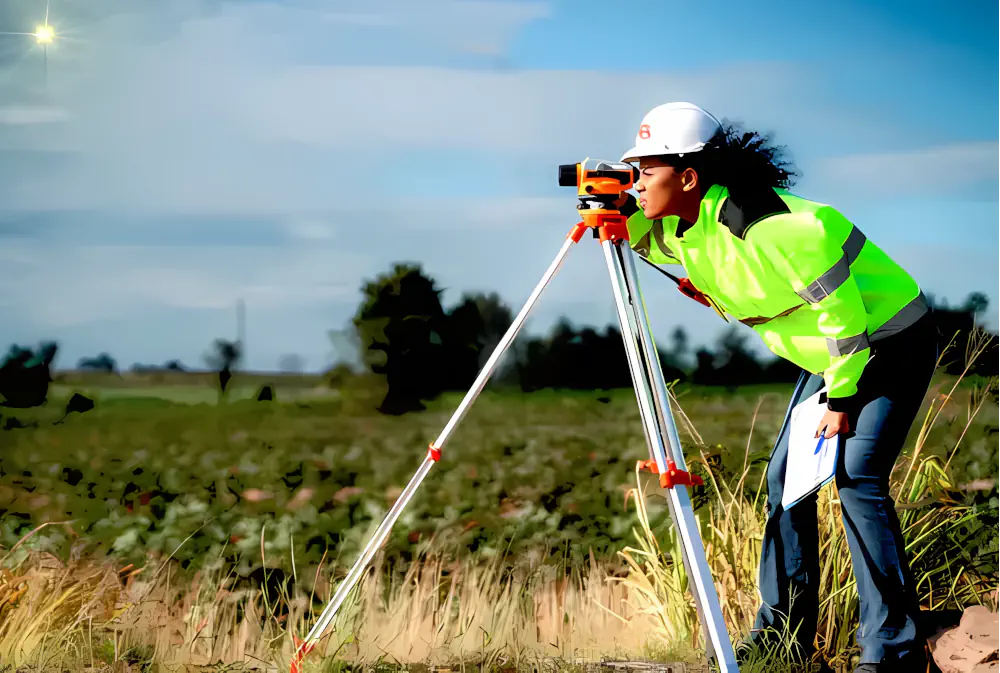
Surveyors in 2026 are no longer just field technicians placing stakes in the ground. Today’s surveyor operates at the intersection of technology, law, land use planning, and risk management.
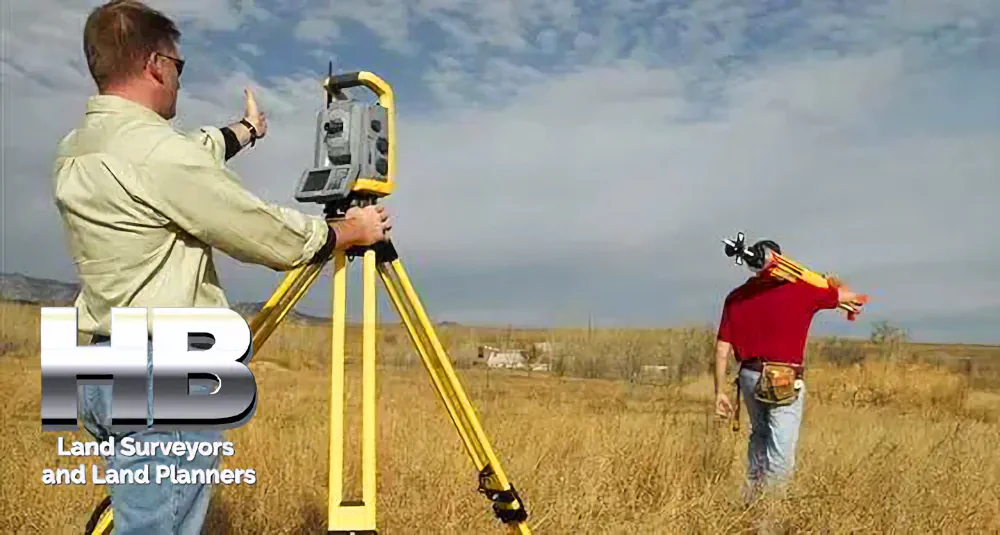
Advanced tools such as GPS, robotic total stations, laser scanning, and drones have dramatically improved efficiency and data collection. However, technology alone does not ensure accuracy or reliability. Data still must be interpreted through the lens of legal principles, historical records, and professional judgment.
One of the most significant pressures shaping the future of surveying is increased land value. As property becomes more expensive and development more intense, the cost of errors rises sharply.
A misplaced boundary, an overlooked easement, or an incorrect interpretation of a deed can result in legal disputes, construction delays, or financial losses that far exceed the cost of a proper survey. In 2026, surveyors will be expected to deliver work that is not only precise, but legally defensible.
Regulatory complexity is another major factor. Zoning ordinances, environmental regulations, stormwater requirements, and permitting standards continue to grow more detailed. Surveyors must understand not only how to measure land, but how their work integrates with local and state regulations. Firms without deep regional experience often struggle to navigate these requirements efficiently.
At Haller, Blanchard & Associates, our longevity provides clients with confidence. We have worked with the same counties, municipalities, engineers, and permitting offices for decades. We understand local expectations, historical boundary patterns, and regulatory nuances. As we move into 2026, experience remains the single most valuable asset a surveyor can offer. Technology will continue to evolve, but judgment, accountability, and trust cannot be automated.